Branding In Times of a Pandemic
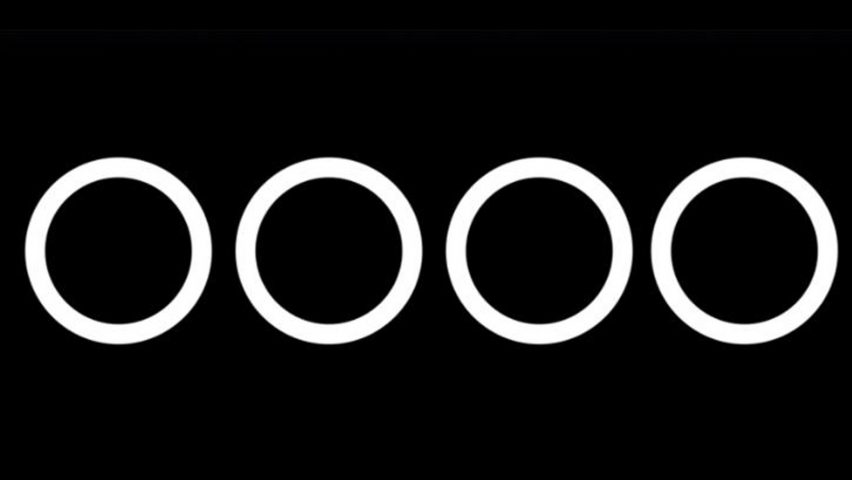
Look at the picture above, I'm sure your brain will be busy
guessing what exactly it is. It's pretty abstract, 4 circles, nothing much to
make sense of here. What if I told you that this image represents a major
global car manufacturer? I'm sure its easier to make sense of it now and the
name, probably, has already popped up in your head. If you analyze it deeper,
it's not hard to understand what this image is trying to say. Social
Distancing. We're only a few months into this new decade and we already have a
phrase that's going to define 2020 in the years to come. Audi, separating its
indentitive rings, isn't the only company to do so. If you do a Google search,
you'll find global brands like McDonald's, Master Card, Volkswagen, Nike and
many others including Google itself promoting social distancing by tweaking
logos/brand slogan. Why are all these companies promoting this message of
social distancing? Well obviously, it's a noble thing to do, social distancing
is the only proven preventive measure against the Coronavirus. But is that it?
Most of the world's economic powers are under lockdown.
China has just eased up the lockdown in Wuhan and neighbouring provinces and
has allowed movement of people. With half of the world's population locked
inside their homes and all commerce brought to stand still, brands cannot let
their image fade in the minds of people, even the slightest bit. They need to
stay visible and make sure that they don't fall short on any of the marketing
metrics (buzzword).
Brands and marketers are working in real-time now, it's all
about the moment. Though marketers must also think beyond the near-term. Times
have changed now and visibility now is not just in physical terms like it was
back in the day, it is also very much about the number of impressions that a brand
generates online. Impressions are nothing but the interaction of the online
audience with the content/message put up by a brand or its affiliate. India is a country with growing internet penetration and a strong traditional
media presence (print, radio, TV). It allows brands to use both online and
offline channels effectively. Recently BARC reported that people are spending
more time in front of their TVs now, which is obvious given the situation but
only very few brands are going all out with their TV campaigns primarily
because there isn't any fresh entertainment content to watch. News channels,
which are no less than entertainment channels are not a lucrative investment
for top brands as their target group isn't there. Though some good campaigns
are running on TV. Lifebuoy particularly is doing a great job by telling people
to wash their hands with any soap available and not just a Lifebouy, this same
campaign is running on print platforms also and has gained good praise.

Above is a print ad from the same campaign, here the
very first line tries to clarify that it's not an Ad for Lifebuoy, well it very
much is, but it is a smart ad, they even went on to mention their direct
competitor Dettol in the ad, smartly throwing the ball in Dettol's court. On
the surface, it may look as if Lifebuoy is serving a public service message and
technically it is, but at the end of the day, it is an Ad for Lifebuoy, not
just the soap but the brand as a whole. This campaign hit well among the public
because brands are looked up as a reliable source of information during such
times. Every second ad that you see on TV today talks about the coronavirus, it
is in public service but just think of these ads like the ones you see from
almost every brand during Diwali. Everyone's wishing you just so that you
remember them among the others, all that they're doing is strengthening their
brand recall. The same is happening now. Every brand is reminding you to stay at home and wash your hands and in the process making themselves visible to you and the world.
Things
are much more exciting when you look at what's happening in the virtual world.
It has become the biggest playground for brands and the rules are fair for everyone. It's 2020 and most brands, big and small, by this time have come to
realize the power of online media. In an off chance, if a brand still had any
reservations against online marketing, this pandemic has busted all their
myths. A brand like Welspun, which in the past has focused more on traditional
mediums, came out with a digital campaign that talked about something as basic
as using a clean towel after washing your hands. There was a social message
attached but the campaign's primary purpose was to show Welspun towels. More
experienced brands are taking things up a notch with live Instagram live
streams and innovative contests. Startups are using everything from Bollywood
dialogues to memes to stay relevant and visible in these times, always trying
to one-up each other on twitter. Adidas is showing people how to stay fit at home,
Bacardi along with its partners brought an entire 3-day music festival (NH7
Weekender) on Instagram live and got international artists to perform live for
the Indian audience sitting at home. Staying on liquor brands, one name that
comes to mind is Corona, the famous beer out of Mexico that became prey to
trolls and memers online as the virus broke out. Corona is a classic case of
"all publicity is good publicity". A recent survey by 5W PublicRelations showed that 38% of beer drinkers in America wouldn't buy a
Corona under any circumstances. That's quite an extreme statement. You would
imagine that along with all the negative press going online (even though the brand
has nothing to do with the virus, they only share the same name) and now this
report coming out in public, Corona would have taken a hit but the opposite was
true. The brand loyalists came out in huge numbers online to support their favourite beer brand, creating something beyond just an 'impression' and the sales numbers actually spiked up 5% in Q1 2020.

Another brand that's going all guns blazing with their online campaigns is Netflix, it is no surprise that they are among the very few companies benefiting from this virus, Netflix stock is trading super strong even though most stocks are facing their worst times since 2008. Netflix India is going all out with cheesy Bollywood lines like 'hum tum ek kamre mein band ho' to creating memes out of their own original content, promoting both the message and their content at the same time. Everyone is constantly trying to be at their creative best online because content that is fresh today will be old and rotten within less than a week, when it has been shared enough number of times it will die on its own.

It's great to see all these brands using their immense reach
to spread an important message that needs to go to every citizen. Many believe that brands
should not exploit this pandemic to promote themselves (71% according to a
recent study by Kantar). Many are comparing this pandemic to WWII, sure the logistical
and medical challenges in some countries are at war scale but then it's not the
same. Also, brands were still campaigning during WWII. Coca Cola, being an
American company, partnered with it's Nazi counterpart to launch a drink that
most of us love today, Fanta. They promoted it heavily among the Nazi army. The
point here is that events like war or a pandemic don't stop a brand from
reaching out to its audience nor do they change or determine how brands will
behave in the future because marketing is an ever-changing function and smart
marketers are always on their toes trying to cash in on the next big thing.
Brands just find a smart way around such events, it’s what they've been doing
forever. This is just another opportunity for them, instead of the IPL, it's the coronavirus now. The work put in for creating campaigns for both is the same, though things are more serious and the companies can't afford to make any mistake or land up in any controversy with their campaigns given the current situation. Just like everyone else, brands are also hopeful that things will get
back to normal again and when people are back in the market, brands want these people to remember them and spend their money on products promoted by them and not on the ones promoted by the competition.


Hahahaha 38% wouldn't buy corona. That's just ridiculous
ReplyDeleteAlso that tweet is very funny
Delete